Hook:
Sometimes one sad face can quietly say, “I know I messed up.”
Introduction
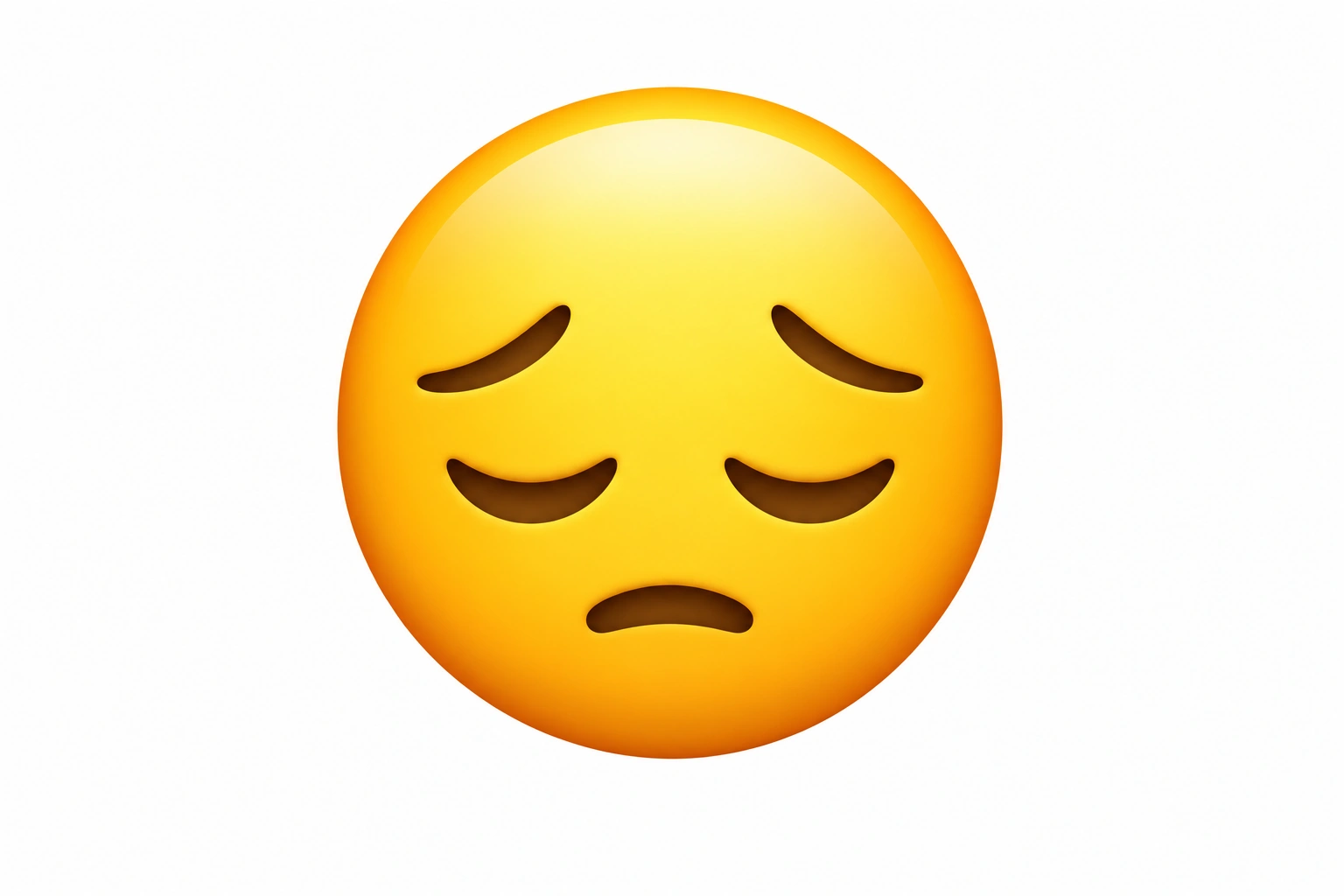
You send a message, realize you may have hurt someone, and suddenly words feel awkward. That is where the guilt emoji 😔 can come in. While there is no official Unicode emoji called the “guilt emoji,” the Pensive Face 😔 is commonly used when someone wants to express sadness, regret, disappointment, or an uncomfortable feeling after doing something wrong.
The exact meaning depends on the message around it. Someone might send 😔 after apologizing, use it to show remorse, or add it to a message because they feel bad about disappointing another person. In other situations, the same emoji may simply show sadness.
That is why context matters. Your relationship with the sender, the wording, the conversation, and even the platform can influence how the emoji feels. Related faces such as 😞, 😥, 🥺, and 😓 can also communicate emotional discomfort, but their tones are not identical.
Sometimes 😔 says “I feel bad about it” without needing a long explanation.
What Does the Guilt Emoji Mean? 😔
The 😔 Pensive Face is often the closest match when people search for a guilt emoji. It can communicate sadness, regret, remorse, disappointment, or a quiet feeling of having done something wrong. The emoji itself does not officially mean “guilt,” so its interpretation comes from context rather than a fixed definition. For example, “I should have told you earlier 😔” can suggest regret, while “I miss those days 😔” is more clearly about sadness. In texting, 😔 can make an apology feel softer and more emotionally honest, especially when the sender wants to show that they understand their actions had an effect.

On WhatsApp, it may appear after an apology or difficult admission. On Instagram and TikTok, people can use it in captions and comments to react to emotional situations. A friend might send 😔 after saying they cannot attend an event, while a romantic partner could use it after an argument. The relationship between the people matters because the same emoji can feel sincere, casual, affectionate, or even slightly dramatic.
Other related emojis can add different shades. 😞 often feels disappointed or unhappy, 😥 can suggest sadness mixed with relief or emotional strain, 😓 can communicate stress or discomfort, and 🥺 can make a message appear more pleading or vulnerable. 😢 is more directly associated with crying, while 😟 can suggest worry. None automatically means guilt. Wording gives them meaning. “I forgot your birthday 😔” creates a very different interpretation from “I had a rough day 😔.” Culture, personal habits, and platform design can also affect how an emoji is understood.
Guilt Emoji Meaning Table
| Emoji | Core meaning | Possible misread | Best used when |
| 😔 | Regret, sadness, remorse | Simple sadness | Apologies or regret |
| 😞 | Disappointment, sadness | Feeling defeated | Something went wrong |
| 😥 | Sadness, emotional strain | Relief or worry | Difficult situations |
| 😓 | Stress, discomfort | Physical tiredness | Awkward or stressful moments |
| 🥺 | Vulnerability, pleading | Cute reaction | Emotional requests |
| 😢 | Crying, sadness | Dramatic sadness | Stronger emotional reactions |
| 😟 | Worry, concern | Fear | Concern about an outcome |
| 😕 | Confusion, uncertainty | Mild annoyance | Unclear situations |
| 🙁 | Mild sadness | Disapproval | Feeling unhappy |
| 😣 | Frustration, distress | Physical discomfort | Difficult emotional moments |
10 Guilt-Related Emoji Cards
😔 Pensive Face
Meaning: Quiet sadness, regret, or remorse.
Example 1: I know I should have said sorry sooner 😔
Example 2: I feel bad about what happened 😔
😞 Disappointed Face
Meaning: Disappointment or unhappiness after something goes wrong.
Example 1: I really let you down 😞
Example 2: I wish I had handled it differently 😞
😥 Sad but Relieved Face
Meaning: Emotional strain, sadness, or relief after a difficult moment.
Example 1: I was worried all day, honestly 😥
Example 2: I’m glad we talked about it 😥
😓 Downcast Face with Sweat
Meaning: Stress, discomfort, embarrassment, or an awkward situation.
Example 1: I completely forgot about it 😓
Example 2: That was definitely my mistake 😓
🥺 Pleading Face
Meaning: Vulnerability, pleading, or an emotional request.
Example 1: Please don’t stay upset with me 🥺
Example 2: I really didn’t mean to hurt you 🥺
😢 Crying Face
Meaning: Visible sadness or emotional pain.
Example 1: I feel terrible about this 😢
Example 2: I hate that things ended this way 😢
😟 Worried Face
Meaning: Concern, nervousness, or unease.
Example 1: I hope you’re not angry with me 😟
Example 2: I’m worried I made things worse 😟
😕 Confused Face
Meaning: Confusion, uncertainty, or mixed feelings.
Example 1: I’m not sure where I went wrong 😕
Example 2: I thought we were okay 😕
🙁 Slightly Frowning Face
Meaning: Mild sadness or disappointment.
Example 1: I’m sorry that upset you 🙁
Example 2: I wish things had gone differently 🙁
😣 Persevering Face
Meaning: Distress, frustration, or difficulty dealing with something.
Example 1: I know I need to make this right 😣
Example 2: This situation is really bothering me 😣
How to Use the Guilt Emoji the Right Way

The guilt emoji works best when it supports the words instead of replacing them completely. A short message with 😔 can communicate emotional awareness, but a serious apology usually benefits from clear language too.
WhatsApp 💬
In personal chats, 😔 can soften an apology or show regret.
- “I shouldn’t have said that 😔”
- “I’m sorry I missed your call 😔”
- “I know you’re upset, and I understand why 😔”
With family, it can express regret without sounding overly formal. Between friends, it can also show that someone genuinely feels bad about a mistake.
For a WhatsApp status, 😔 may accompany a reflective sentence about regret or a difficult day. However, a vague status can be interpreted in many ways, so direct communication is usually clearer when another person is involved.
Instagram 📸
Instagram users may place 😔 in captions, comments, bios, or replies when discussing emotional moments. In a caption, it can give a reflective sentence a more personal tone.
For example:
“Some things should have been handled differently 😔”
In comments, the emoji can work as a sympathetic reaction. If someone posts about an uncomfortable experience, replying with 😔 may communicate that you understand the emotional tone.
TikTok 🎵
On TikTok, 😔 can appear in captions and comments connected to regret, awkward situations, relationship stories, or emotional humor. Context is especially important because creators may use an emoji seriously, ironically, or as part of a recurring online joke.
On Facebook, 😔 can appear in posts, comments, Messenger chats, and emotional reactions. It can work for personal conversations, reflective posts, or a simple response to disappointing news.
The safest approach is simple: let your words establish the meaning, then let the emoji reinforce the tone.
Do’s and Don’ts
Do:
- Use 😔 to support a sincere message.
- Consider who will receive it.
- Match the emoji with your wording.
- Think about the emotional context.
- Remember that device designs can vary.
Don’t:
- Assume 😔 automatically means guilt.
- Use it randomly in a serious conversation.
- Add lots of emotional emojis to a sensitive message.
- Expect everyone to interpret it exactly the same way.
- Assume an emotional emoji is automatically romantic.
Why Does the Guilt Emoji Look Different on iPhone and Android?
The emoji you see on your phone is based on a Unicode character, but Unicode does not force every company to draw that character in exactly the same way. Apple, Google, Samsung, Microsoft, and other technology companies can create their own emoji artwork.
That means 😔 can look slightly different on an iPhone, Android phone, computer, or social platform. The face shape, eyes, mouth, color, shading, size, and overall visual style may change.
The underlying character is still the same. In other words, an iPhone user and an Android user can send the same 😔 character even though the artwork displayed on their screens may not be identical.
These differences can matter when an expression is subtle. A small change in the eyes or mouth can make an emoji appear slightly more serious, sad, worried, or gentle. That does not mean one platform has the “correct” version.
For example, if you send “I’m sorry 😔,” the receiver may see a version of the emoji that looks a little different from yours. The surrounding words still provide important context.
This is also why screenshots can sometimes create confusion. A person may recognize the emotional idea but notice that the face looks unfamiliar compared with the version they normally use.
So when people ask why the guilt emoji looks different on iPhone and Android, the short answer is simple: the Unicode character is shared, while the visual design belongs to the platform or font provider.
Best Guilt Emoji Combos: Copy & Paste
Romantic ❤️
1.👉 😔❤️🥺 | Use this when apologizing to someone you love.
2.👉 ❤️😔 | Use this for a short, sincere emotional message.
3.👉 🥺😔❤️ | Use this when asking for forgiveness gently.
Cute 🥰
1.👉 🥺😔 | Use this for a soft, vulnerable apology.
2.👉 😔🥺❤️ | Use this when you want your message to feel tender.
3.👉 😥🥺 | Use this for an emotional but gentle reaction.
Flirty 😉
1.👉 🥺😔😉 | Use this for a playful apology with a teasing tone.
2.👉 😔😉❤️ | Use this when regret and affection are mixed.
3.👉 🥺😉😔 | Use this for a lighthearted “okay, my bad” moment.
Missing Someone 💭
1.👉 😔❤️ | Use this when missing someone and feeling emotional.
2.👉 😔🥺 | Use this for a quiet message about missing someone.
3.👉 😢😔❤️ | Use this when the feeling is especially emotional.
Good Night 🌙
1.👉 😔🌙❤️ | Use this after an emotional conversation before bed.
2.👉 🥺😔🌙 | Use this for a soft good-night message after saying sorry.
3.👉 😔🌙🥺 | Use this when you want a gentle, emotional ending.
Trending Guilt Emoji in 2026
There is no official ranking that makes one emoji the universal “guilt emoji” in 2026. Instead, related emotional faces continue to appear naturally in everyday digital communication, especially when users want to express regret, sadness, vulnerability, stress, or concern without writing a long explanation.
😔 is particularly useful when the tone is quiet and reflective. 😞 can feel more disappointed, while 🥺 often makes a message more vulnerable or pleading. 😥 can suit situations where emotional strain is mixed with relief or discomfort.
These emojis can appear in WhatsApp messages, Instagram captions, TikTok comments, Facebook posts, and casual conversations. Creators may also use them humorously, while friends and family may use them more literally.
| Emoji | Why trending | Who uses it | Platform |
| 😔 | Fits regret and reflective messages | Everyday users | WhatsApp, Instagram |
| 🥺 | Adds vulnerability or pleading | Friends and creators | TikTok, Instagram |
| 😞 | Expresses disappointment clearly | Everyday users | WhatsApp, Facebook |
| 😥 | Shows emotional strain | Friends and commenters | Messaging, social media |
A useful thing to remember is that emoji language keeps changing through everyday conversations, online communities, memes, captions, and personal habits. An emoji that feels serious in one conversation may feel playful in another.
Guilt Emoji Meaning in Different Contexts
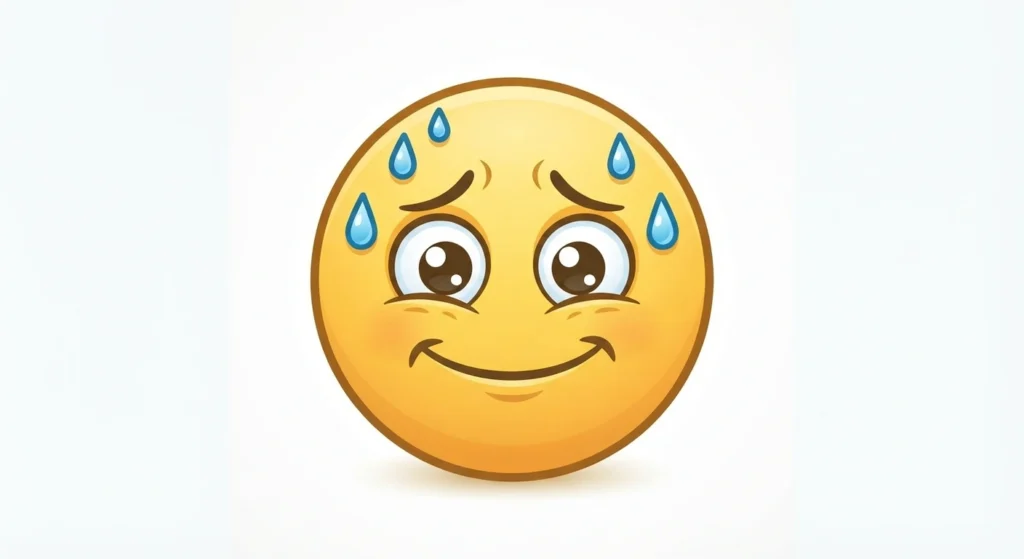
The same 😔 can communicate different tones depending on who sends it and why.
Romantic Conversations
“I shouldn’t have ignored your message 😔” can suggest regret after a disagreement. Here, the emoji may make the apology feel more emotionally open.
Friendship
A friend might say, “Sorry, I completely forgot 😔.” In this situation, it can communicate genuine regret without making the message overly formal.
Family
A family member might use 😔 after disappointing someone. The meaning can be straightforward, especially when the surrounding message clearly explains what happened.
Professional or Casual Communication
In professional communication, emotional emojis should be used carefully. A casual workplace chat may allow them, while a formal email or serious business conversation may call for plain language instead.
Texting
Text messages often provide less emotional information than face-to-face conversations. Adding 😔 can help indicate that a sentence is meant sadly or regretfully rather than casually.
Social Media Comments
In comments, 😔 can work as a quick emotional reaction. However, because comments are public, the context may be less obvious than it is in a private chat.
Captions
A caption such as “I wish I could change that moment 😔” gives the emoji a reflective role. The words establish the idea, while the emoji reinforces it.
The important point is that 😔 does not automatically translate to “I am guilty.” It can express sadness, disappointment, regret, or emotional reflection. The complete message determines the most likely interpretation.
How to Copy and Paste the Guilt Emoji
The easiest guilt emoji to copy is:
😔
Select the emoji, copy it, and paste it wherever you want.
You can use it in WhatsApp messages, Instagram captions, TikTok comments, Facebook posts, Messenger chats, text messages, and other apps that support Unicode emojis.
You can also copy a short combination such as:
😔❤️
or
🥺😔
If the emoji appears differently after you paste it, that is usually because the receiving device or app uses its own emoji artwork. The underlying character remains the same.
FAQs
1. What is the most popular guilt emoji?
There is no official emoji named “guilt emoji,” so there is no single Unicode character with that exact meaning. 😔 is commonly used to express regret, sadness, or remorse when the surrounding message is about making a mistake.
2. What does 😔 mean when someone sends it?
😔 can mean sadness, regret, disappointment, or feeling bad about a situation. The meaning depends on the wording, relationship, and context rather than the sender’s gender.
3. Why do emojis look different on iPhone vs Android?
Unicode identifies the emoji character, while companies such as Apple, Google, and Samsung create their own visual designs. That is why the same emoji can look slightly different across devices.
4. Are guilt emojis used differently in other countries?
Emoji interpretation can vary between communities, cultures, platforms, and individual users. A symbol that feels strongly emotional in one conversation may have a lighter meaning elsewhere, so context is important.
Conclusion
The 😔 guilt emoji is best understood as a way to express regret, sadness, or feeling bad when the context supports that interpretation.
Use it with clear words when the situation is serious, and remember that people may read emojis differently.
A thoughtful message plus the right emoji can make your tone much easier to understand. 😔