One little devilish face can turn an ordinary message into something playful, cheeky, or seriously mischievous!
You receive a message that says, “I have a little surprise for you 😈.” Is the person joking, flirting, planning something mischievous, or trying to sound mysterious? That is exactly why people search for the evil emoji meaning.
The 😈 emoji, officially called Smiling Face with Horns, is commonly used to express mischief, playful troublemaking, cheekiness, confidence, and sometimes a naughty or flirty attitude. However, it is not the only symbol associated with evil or devilish expressions. The 👿 emoji, for example, has a noticeably angrier appearance and can communicate a different mood.
Whether you see these symbols in WhatsApp messages, Instagram captions, TikTok comments, or everyday conversations, their meaning depends on the situation. Let’s explore how to understand, use, and combine evil-themed emojis naturally.
Sometimes a little devilish expression says more than a whole mischievous sentence. 😈
What Does the Evil Emoji Mean? 😈
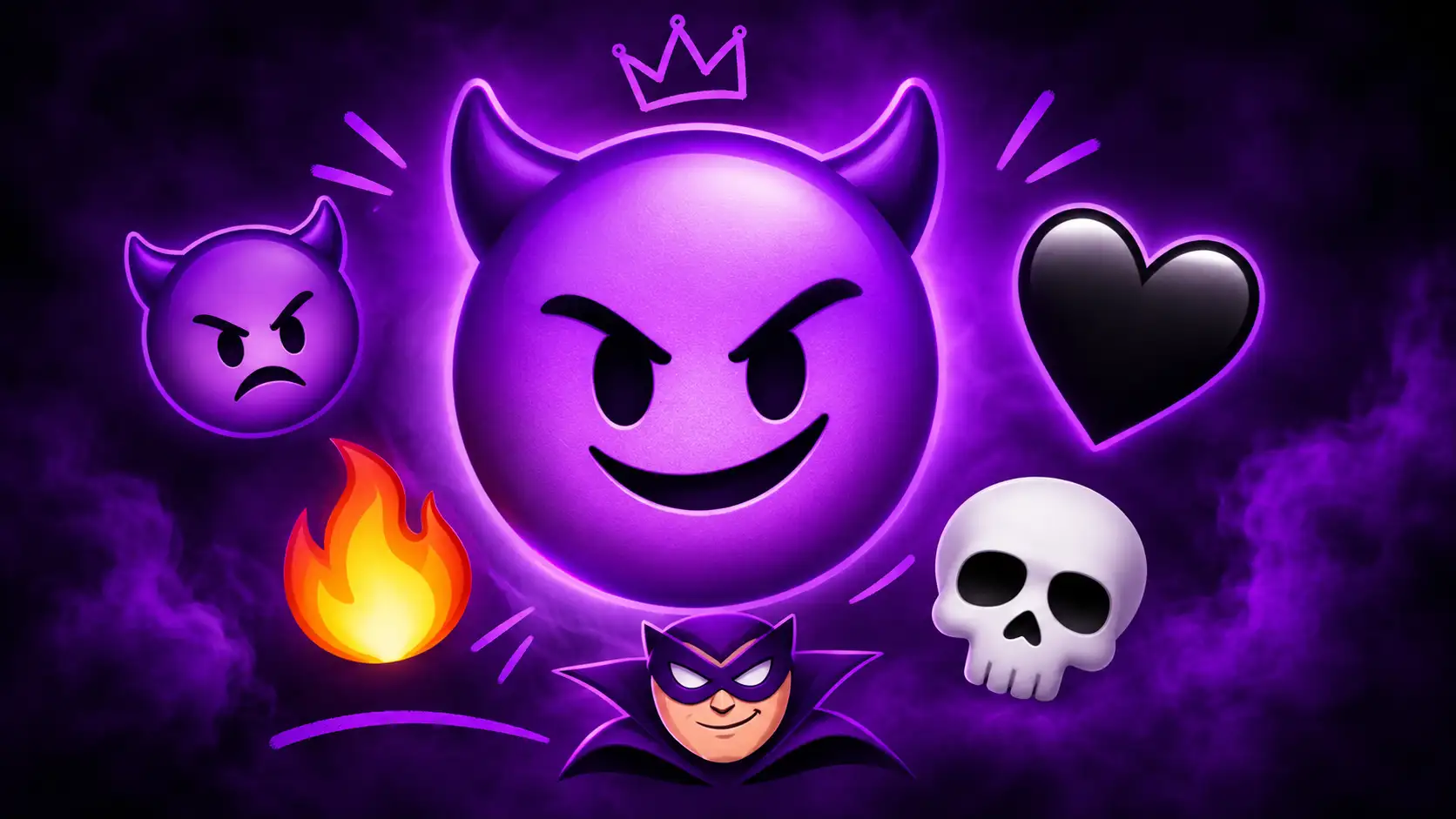
The most commonly recognized evil emoji is 😈, officially known as the Smiling Face with Horns. It features a purple face, two pointed horns, and a mischievous smile. Although its appearance is devilish, people do not always use it to represent actual evil. In everyday digital conversations, it often communicates playful troublemaking, cheekiness, confidence, or a naughty sense of humor.

Another closely related symbol is 👿, called Angry Face with Horns. Its expression looks more irritated and aggressive than the smiling 😈. This small visual difference can change the tone of an entire message.
Here are six closely related symbols and their common interpretations:
- 😈 Smiling Face with Horns: Often suggests mischief, playful confidence, cheekiness, or a naughty joke.
- 👿 Angry Face with Horns: Can communicate frustration, anger, rebellious behavior, or a more aggressive devilish mood.
- 👹 Ogre: Represents a frightening creature, dramatic mischief, fantasy monsters, or exaggerated reactions.
- 👺 Goblin: Often appears in conversations about mischief, mythical creatures, misbehavior, or Japanese folklore.
- 🦹 Supervillain: Represents a fictional villain, dramatic troublemaking, or someone jokingly acting like the bad guy.
- 🖤 Black Heart: Can add a dark, mysterious, alternative, or playful emotional tone.
In texting, 😈 frequently makes a message sound cheekier than its actual words. For example, “Guess what I am planning 😈” creates curiosity without explaining anything.
On social media, it can accompany funny captions, bold selfies, playful challenges, and confident comments. It may also appear in romantic conversations when someone wants to sound teasing or flirty.
However, context matters. A close friend might use 😈 after a harmless prank, while someone else might use it to suggest a more suggestive joke. The relationship, wording, culture, and conversation all influence interpretation.
The important distinction is that an evil-themed emoji does not automatically mean someone has bad intentions. Most casual uses are expressive, humorous, or playful.
Evil Emoji Meaning Table
| Emoji | Core meaning | Possible misread | Best used when |
| 😈 | Mischief and cheekiness | Actual bad intentions | Playful jokes |
| 👿 | Anger and rebellion | Serious hostility | Expressing frustration |
| 👹 | Monster and dramatic trouble | Genuine fear | Fantasy or humor |
| 👺 | Mischief and goblin imagery | Insulting expression | Playful reactions |
| 🦹 | Villain energy | Actual criminal behavior | Funny villain captions |
| 🖤 | Dark or mysterious emotion | Sadness or dislike | Dark aesthetic posts |
| 🔥 | Boldness and intensity | Literal fire | Confident reactions |
| 💀 | Dark humor or shock | Literal death | Funny exaggeration |
| 🦹♀️ | Female supervillain | Actual wrongdoing | Character captions |
| 🦹♂️ | Male supervillain | Actual wrongdoing | Villain-themed jokes |
10 Evil-Themed Emoji Cards
😈 Smiling Face with Horns
Meaning: Mischief, cheekiness, and playful troublemaking.
Example 1: I have something naughty planned 😈
Example 2: You have no idea what is coming 😈
👿 Angry Face with Horns
Meaning: Anger, rebellious energy, and devilish frustration.
Example 1: Nobody is testing my patience today 👿
Example 2: That was my final warning 👿
👹 Ogre
Meaning: A mythical monster, frightening appearance, and exaggerated reactions.
Example 1: That horror movie scared me 👹
Example 2: My monster character is ready 👹
👺 Goblin
Meaning: Mischief, mythical creatures, and playful trouble.
Example 1: The little troublemaker is back 👺
Example 2: Today feels like a mischievous adventure 👺
🦹 Supervillain
Meaning: Villainous behavior, dramatic confidence, and fictional troublemaking.
Example 1: Becoming the villain of this story 🦹
Example 2: My secret identity remains hidden 🦹
🖤 Black Heart
Meaning: Dark aesthetics, mysterious feelings, and alternative emotional expression.
Example 1: Dark outfits are my favorite 🖤
Example 2: A little mystery never hurts 🖤
🔥 Fire
Meaning: Intensity, excitement, confidence, and something impressive.
Example 1: That outfit looks incredible 🔥
Example 2: Bringing serious energy tonight 🔥
💀 Skull
Meaning: Dark humor, disbelief, shock, or extreme amusement.
Example 1: I cannot believe that actually happened 💀
Example 2: That joke finished me 💀
🦹♀️ Woman Supervillain
Meaning: A fictional female villain, bold personality, and dramatic confidence.
Example 1: She is the villain of the story 🦹♀️
Example 2: Making my own rules today 🦹♀️
🦹♂️ Man Supervillain
Meaning: A fictional male villain, rebellious attitude, and playful villain energy.
Example 1: The mastermind has arrived 🦹♂️
Example 2: Nobody knows my next move 🦹♂️
How to Use the Evil Emoji the Right Way
The evil emoji can make ordinary conversations more expressive, especially when you want to communicate humor, confidence, or a little mischief. However, using it appropriately means understanding the platform and the people who will see it.
WhatsApp 💬
On WhatsApp, 😈 is particularly useful in personal conversations. Friends might send it after making a cheeky joke, teasing someone, or announcing a harmless surprise.
For example:
- I know something you don’t 😈
- Don’t blame me for what happens next!
- I am planning a little surprise 😈
- You started this, not me 👿
In family group chats, it can add humor to harmless jokes or playful competitions. Between close friends, it can make teasing feel less serious.
In romantic conversations, 😈 can suggest playful flirting. However, do not automatically assume that someone is expressing romantic interest just because they send it.
You can also include it in a WhatsApp status when sharing a confident selfie, a funny moment, or a mysterious update.
Instagram 📸
Instagram users can use evil-themed emojis in captions, comments, bios, and Reels descriptions.
For example:
- Sweet smile, mischievous mind 😈
- A little villain energy today 🦹
- Too confident to explain myself 🔥
- Just enjoying my mysterious era 🖤
In comments, 😈 can communicate playful approval when a friend posts a bold outfit or cheeky picture.
For aesthetic accounts, 🖤 and 😈 can complement darker visual themes. Meanwhile, 🔥 can add intensity to fashion, lifestyle, and entertainment posts.
TikTok 🎵
TikTok is a natural place for expressive and humorous emoji reactions.
The 😈 symbol can appear in comments about unexpected plot twists, playful challenges, confident transformations, or mischievous jokes.
Examples include:
- That ending was unexpected 😈
- The villain era has officially started 🦹
- This trend is too funny 💀
- Someone is definitely planning trouble 👿
Creators can also use these symbols in video captions to establish a playful or dramatic tone.
On Facebook, evil-themed emojis work in posts, comments, Messenger conversations, and reactions.
You might use 😈 after teasing a friend, 🖤 in a dark aesthetic post, or 💀 when reacting to something extremely funny.
The best approach is to match the emoji to the conversation. A playful symbol can make a casual post more entertaining, but it may not suit serious announcements or professional discussions.
Dos and Don’ts of Using Evil Emojis
A little attention to context can make your messages much easier to understand.
Do:
- Use 😈 when making harmless jokes or teasing close friends.
- Consider your relationship with the person receiving the message.
- Match 👿 with an intentionally frustrated or rebellious tone.
- Use 🖤 when creating a dark or mysterious aesthetic.
- Combine 🦹 and 🔥 when discussing fictional villains or confident characters.
- Check how an emoji appears on different devices before relying on its facial expression.
Don’t:
- Assume everyone understands 😈 in the same way.
- Use 👿 when you do not want your message to sound aggressive.
- Overload serious conversations with devilish symbols.
- Send suggestive combinations to people who may feel uncomfortable.
- Assume that receiving 😈 automatically means romantic interest.
- Use evil-themed emojis to make threatening messages seem harmless.
Remember that emojis support your words. They cannot completely replace clear communication, especially when a conversation involves sensitive feelings or misunderstandings.
Why Does the Evil Emoji Look Different on iPhone and Android?
Have you ever noticed that the same emoji looks slightly different on an iPhone compared with an Android phone? This happens because emojis are standardized as characters, but their visual artwork can be created separately by different technology companies.

The Unicode Standard provides a shared system for representing emoji characters. Companies such as Apple, Google, Samsung, and Microsoft can then design their own visual versions for their operating systems and devices.
This means the 😈 emoji can have slightly different artwork depending on where you view it.
Here are some differences you might notice:
Shape: The devilish face, horns, and smile may have slightly different proportions.
Color: Purple shades can appear lighter, darker, or more saturated.
Facial expression: The smile may look wider or more noticeable on one platform than another.
Size: The emoji can appear larger or smaller depending on the application and font.
Visual style: Some designs look glossy and rounded, while others appear flatter or more simplified.
The same applies to 👿, 👹, and 👺. Their facial details may change without changing the underlying emoji character.
For example, if you send 😈 from an iPhone to an Android user, the receiver generally sees the corresponding emoji using their device’s supported artwork. The character remains the same even if the appearance differs.
Emoji rendering can also depend on the operating system version and application. Older devices may display a missing-character box if they do not support a particular emoji.
There is no single platform design that is automatically the correct visual version. The purpose of Unicode is to help different devices recognize and exchange the same characters.
Best Evil Emoji Combos: Copy & Paste
Evil-themed emoji combinations can help communicate playful, mysterious, romantic, or dramatic feelings without writing a long message.
Here are 15 combinations using closely related symbols.
Romantic ❤️
- 😈🖤: Use this for a mysterious and playful romantic message.
- 🔥😈: Add this to a confident, teasing message.
- 🖤😈🔥: Use this for a bold caption with a dark romantic aesthetic.
Cute 🥰
- 😈🖤: Perfect for a cheeky message to someone close.
- 👹😈: Use this when joking about being little troublemakers.
- 🦹♀️🦹♂️: A fun choice for two people sharing villain energy.
Flirty 😉
- 😈🔥: Use this when teasing someone playfully.
- 🖤😈: Add this to a mysterious or cheeky message.
- 😈💀: Perfect for a dramatic reaction to unexpected flirting.
Missing Someone 💭
- 🖤😈: Use this when missing someone’s mischievous personality.
- 😈🔥: A playful way to remember someone’s bold energy.
- 🦹🖤: Add this to a message about your favorite fictional villain.
Good Night 🌙
- 😈🖤: Use this for a cheeky nighttime message.
- 👹💀: A funny choice after watching a scary movie.
- 🦹♀️🔥: Perfect for ending the day with confident energy.
You can copy any combination directly into a message, caption, or comment. Feel free to use the combinations as they are or choose individual symbols that better match your conversation.
Trending Evil Emoji in 2026
Evil-themed emojis continue to have a recognizable place in casual digital communication. Their appeal comes from the different moods they can express, ranging from playful mischief to dramatic villain energy.
Rather than having one fixed meaning, these symbols can fit different types of online content.
Here are four symbols worth understanding when creating captions, comments, and messages in 2026.
😈 Smiling Face with Horns
This is a recognizable choice for cheeky comments, playful jokes, and confident captions. It frequently appears in casual conversations where someone wants to suggest that they are planning something mischievous.
👿 Angry Face with Horns
This symbol works for exaggerated frustration and rebellious reactions. Users may include it when joking about an annoying situation or expressing a deliberately dramatic mood.
🦹 Supervillain
The supervillain emoji fits character-based humor, fictional storytelling, and villain-era captions. It can also accompany jokes about being the bad guy in a harmless situation.
🖤 Black Heart
The black heart is often used in dark aesthetic posts, alternative fashion captions, and mysterious social media content. It can also add a distinctive emotional tone to an otherwise simple message.
| Emoji | Why trending | Who uses it | Platform |
| 😈 | Playful and cheeky expressions | Friends and creators | Instagram, TikTok |
| 👿 | Dramatic frustration | Casual users | WhatsApp, Facebook |
| 🦹 | Villain-themed humor | Entertainment fans | TikTok, Instagram |
| 🖤 | Dark aesthetic expression | Lifestyle and fashion users | Instagram, Facebook |
These are examples of recognizable usage patterns, not an official ranking or measured popularity list.
As digital communication changes, people continue finding creative ways to combine familiar emoji symbols with their own humor, personality, and online style.
Evil Emoji Meaning in Different Contexts
The same emoji can communicate different feelings depending on who sends it, what they are discussing, and how they normally communicate.

Understanding these differences can help you avoid unnecessary confusion.
Romantic Conversations
In romantic conversations, 😈 can suggest teasing, confidence, or playful flirting.
For example:
“I have a surprise waiting for you 😈”
The sender might be creating excitement or making a cheeky joke. However, the emoji alone cannot confirm someone’s feelings or intentions.
Friendship
Among friends, 😈 is often used when joking about harmless trouble, teasing someone, or sharing an amusing secret.
For example:
“You really thought I forgot your birthday 😈”
Here, the symbol supports a playful tone rather than suggesting anything genuinely harmful.
Family Conversations
Family members might use these symbols when discussing funny plans, playful competitions, or mischievous behavior.
For example:
“I finished the last piece of cake 👿”
Depending on the relationship, this could be a funny confession rather than a serious expression of anger.
Professional and Casual Communication
In casual workplace conversations, a familiar group of colleagues might use 😈 when joking about a harmless surprise or friendly competition.
However, it is generally better to avoid potentially confusing devilish symbols in formal emails, serious announcements, or conversations with people who do not know your communication style.
Texting and Social Media Comments
In texting, the surrounding words provide important clues. A short message containing 😈 may sound mysterious, teasing, or humorous.
On social media, the same symbol can become part of a caption’s personality. For example:
“Not everyone needs to know my next move 😈”
This creates a playful sense of mystery without necessarily suggesting bad intentions.
Captions and Personal Expression
For captions, evil-themed emojis can help establish a recognizable visual style.
A fashion creator might choose 🖤 and 🔥, while someone sharing a fictional villain costume might prefer 🦹 and 😈.
Ultimately, the best interpretation comes from reading the complete message rather than judging one small symbol.
How to Copy and Paste the Evil Emoji
Want to use the evil emoji in your next message? You do not need to search through complicated emoji menus every time.
Here is the primary symbol you can copy:
😈
You can also copy the angry version:
👿
Follow these simple steps:
- Find the emoji you want to use.
- Select the symbol with your mouse or finger.
- Copy it using Ctrl + C on Windows or the copy option on mobile.
- Open WhatsApp, Instagram, TikTok, or another application.
- Paste it into your message, caption, comment, or status.
On smartphones, you can also open the built-in emoji keyboard and search for the devil or smiling face with horns.
The symbols can be used in personal chats, social media bios, comments, captions, and creative posts.
If a particular symbol does not display correctly, check whether your device and application support it.
FAQs About the Evil Emoji
1. What is the most popular evil emoji?
The 😈 Smiling Face with Horns is one of the most recognizable evil-themed emojis. It is commonly used for playful mischief, cheekiness, teasing, and confident expressions.
2. What does 😈 mean when someone sends it?
It can suggest mischief, playful flirting, humor, or a cheeky attitude. Its meaning depends on the conversation, relationship, and surrounding words, not the sender’s gender.
3. Why do evil emojis look different on iPhone vs Android?
Apple and Android use their own emoji artwork based on Unicode characters. Therefore, colors, facial expressions, shapes, and visual styles can differ even when the same emoji is being sent.
4. Are evil emojis used differently in other countries?
Yes, interpretations can vary depending on cultural background, online communities, and personal communication habits. Some people may associate devil imagery with humor, while others may interpret it more seriously. Context is always important.
Conclusion
The evil emoji 😈 is a playful way to express mischief, confidence, teasing, and a little rebellious energy.
Whether you use it in WhatsApp messages, Instagram captions, TikTok comments, or everyday conversations, remember that context makes a difference.
Choose the symbol that matches your intended tone, and let your messages express your personality naturally. 🖤